
Whoa! I was poking around wallets the other day and landed on somethin’ I hadn’t expected: the web-first case for Phantom is quietly powerful. Really? Yep. For folks who collect NFTs on Solana or dabble in DeFi, the browser experience changes a few friction points that used to feel like small annoyances but actually slowed adoption. My instinct said: this will either be tiny or huge. Initially I thought it was just convenience, but then realized it’s a simple UX shift that opens the ecosystem to people who won’t install yet another extension.
Here’s the thing. A web wallet for Solana reduces onboarding friction in a tangible way. It removes the extension-install barrier for people on locked-down machines, and it smooths out mobile-to-desktop flows when done right. That sounds nerdy, I know. But when your collector friend sends a link to a mint and they can pay in two clicks? That matters. On one hand extensions have been the default; on the other, web-first flows are more accessible for mainstream users, though actually they introduce different risks we need to handle.
Okay, so check this out—if you’re coming from Chrome extension Phantom or the mobile app, a web wallet can feel familiar and weird at once. The key is session management, how transaction signing is surfaced, and how NFTs render across different screens. I’m biased, but for on-ramp experiments, a web variant is the right move. It’s not perfect, and some trust tradeoffs exist, but the tradeoffs can be managed.
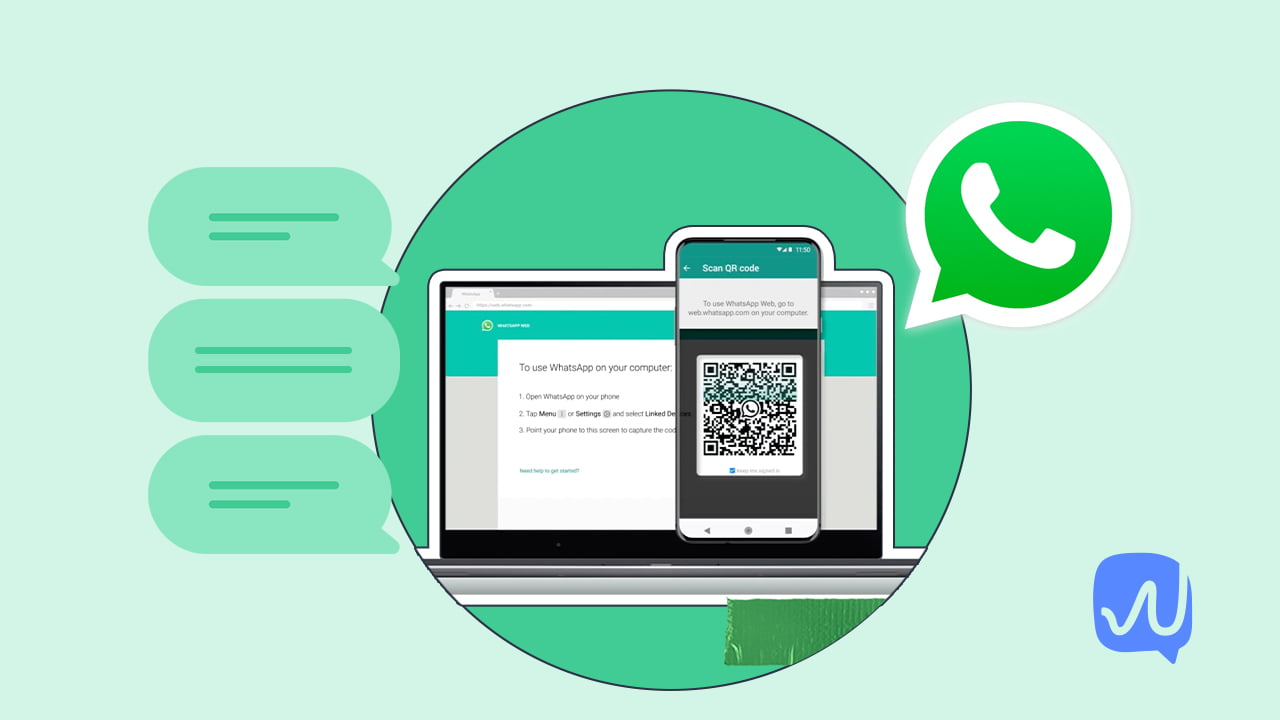
How the Web Wallet Changes Collector Flows (phantom web)
First, the practical differences. A web wallet means you can open a hosted page, connect using a QR or ephemeral session token, and sign transactions without installing an extension. That’s huge for people using shared computers or those who don’t want to mess with browser permissions. Hmm…that sounded obvious but it’s underrated. A lot of NFT drops are time-sensitive; shaved seconds and fewer clicks directly translate to more successful mints.
On the flip side, the ephemeral nature of web sessions means you need secure session handling, strict CSRF protections, and clear UI signals about what you’re signing. Something felt off about early web-wallet demos—often they showed modal dialogs for signing that looked like normal site popups. That ambiguity is dangerous. You want the signing UI to look distinct, trusted, and impossible for a page to spoof.
So how do we get there? First, treat every web wallet session like a second-class session from a security perspective: assume it can be interrupted, assume network changes happen, and require re-authentication for sensitive actions like exporting keys. Second, expose hardware key support. Yes, really: even in a web-first flow, HSMs and Ledger/Trezor bridges matter, especially for collectors holding high-value NFTs.
Initial thought: web wallets are convenient. Actual realization: they’re most valuable when they coexist with hardware-backed signing and clear education about phishing. On one hand convenience drives adoption; on the other, ignorance drives loss. Balance matters.
Practical Guide: Using a Solana Web Wallet for NFTs
Step one — account setup. If you’re new, create a wallet using a strong passphrase and write down the seed phrase on paper. Seriously? Yes. No screenshots, no cloud notes, no “I’ll do it later” nonsense. Step two — fund the wallet. Transfer a small test amount of SOL and try a test transaction. If it works, you’re ready.
Step three — connecting to marketplaces. Most Solana NFT marketplaces detect Phantom automatically, but with a web wallet you’ll often be asked to “Connect Wallet” on the site and then confirm via a popup or QR scan. Confirm that the origin shown in the signing dialog matches the website you’re using. If anything looks off, cancel.
Step four — signing mints and transfers. Minting an NFT is just a transaction. The wallet will show the fee, instructions, and the accounts involved. Read them. Yes, even if you’re in a rush. Rushing is how people lose money. The UI should show token accounts and program IDs. If you see an unfamiliar program ID, pause. You can copy it and look up the program on a block explorer later, though ideally the wallet gives context inline.
Step five — managing your collection. A good web wallet will render on-chain metadata cleanly and let you view, transfer, and list NFTs for sale. It will also let you attach royalties and verify creators. If that UI is missing, consider it an early beta feature and tread carefully when interacting with marketplaces from that session.
One more practical tip: use two wallets. Keep a hot wallet for day-to-day mints and a cold or ledger-backed wallet for long-term storage of your best pieces. I’m not 100% sure everyone follows this, but it helps cut risk.
Security: Where Web Wallets Win and Where They Stumble
Short wins: no extension permissions to abuse, fewer persisted background hooks, and easier session expiration. Medium wins: easier onboarding for new users, instant links for mints, and better cross-device flows. Long thought: these advantages only materialize when wallets implement user-facing security cues and give users simple, actionable feedback about what they’re signing, because abstract rules don’t help panicked users during an active drop.
Phishing is the big downside. Web pages can deep-link into the wallet flow and craft convincing narratives. To mitigate this, the wallet needs a strong visual language for signing dialogs—something you can’t spoof with CSS. For instance, an overlay that dims the site and a holographic badge with an ephemeral nonce—something unique to the wallet that the page can’t recreate. That kind of design thinking matters more than fancy animations.
Also, network integrity matters. If the wallet is hosted, ensure TLS everywhere, use HSTS, and guard against subresource injections. Offline, keep your seed phrase cold. If you’re using hardware support through a browser bridge, update the firmware. These are small steps that prevent very painful losses.
NFT Workflow Examples — Minting, Receiving, Transferring
Minting flow (fast): connect, approve a signer request, pay the fee. Sound simple. It is—until there’s a signed message attached that grants program-level permissions. That’s the gotcha. Read permissions. Don’t click through prompts with “Approve All” unless you understand the implications. On one hand it’s convenient; though actually, it’s a massive risk for one-click drain attacks.
Receiving NFTs is straightforward: provide your public address, or have the other person send via the wallet’s “Receive” QR. For high-value pieces, verify metadata on-chain. If the metadata points to off-chain content, double-check the host. You’re trusting third-party storage for some artwork, and that’s a long-term durability concern that people forget.
Transferring: always review that the destination address is correct. Copy-paste is dangerous because clipboard malware can swap addresses. Use address book features in the wallet where possible. Weirdly, this one little thing saves a lot of tears.
FAQ
Can I use the web wallet without installing anything?
Yes. The web variant is designed for quick access via the browser. You’ll connect sessions through QR or ephemeral tokens, sign transactions in a distinct UI, and then disconnect. It’s ideal for short-term access or demoing, though for large holdings a hardware-backed session is safer.
Are NFTs stored in the wallet or on-chain?
NFT ownership is on-chain; the wallet holds your keys. The media (images, video) typically points to off-chain storage like Arweave or IPFS, so check where content is hosted if longevity matters to you.
What if I suspect a phishing site?
Stop. Disconnect the wallet session, revoke any active approvals, and move funds if needed. Report the site to the wallet team. Also, export transaction logs and keep a record. That helps investigators. I’m biased, but also annoying about revocations—do it regularly.
Here’s what bugs me about wallet UX: too many hidden permissions and not enough plain-language warnings. The tech community likes to use jargon, though actually your grandmother needs plain phrases. “This will allow X program to move NFTs from your account” is better than “Grant authority to ProgramID ABC…”. Really—simple language saves lives (or at least NFTs).
One more thing: community trust. If a web wallet is built transparently, with audits, a clear open-source component, and a public cron of security fixes, adoption will follow. Users want to trust a name. They want an experience that feels both polished and honest. That emotional trust matters as much as any cryptographic audit.
I’ll be honest—there’s no perfect answer yet. Web wallets solve a lot but introduce nuance. Initially I thought they would replace extensions quickly. Actually, wait—extensions aren’t going away. They’ll coexist. The real win is when web flows are used as onboarding rails into a multi-sig or hardware-backed setup. That combo is where NFTs on Solana feel both accessible and secure.
So go try it. Experiment with small amounts, use address books, and treat signing dialogs like legal contracts: read them. The UX is changing fast, and folks building for collectors are iterating every week. If you want a smooth web experience, check out the work being done on phantom web and look for wallets that prioritize clear signing UI and hardware support. It won’t fix everything, but it makes a real difference—especially when drops are hot and nerves are frayed…